Heydar Aliyev Oil Refinery
The largest and most innovative challenger in the fuel production industry.

The largest and most innovative challenger in the fuel production industry.



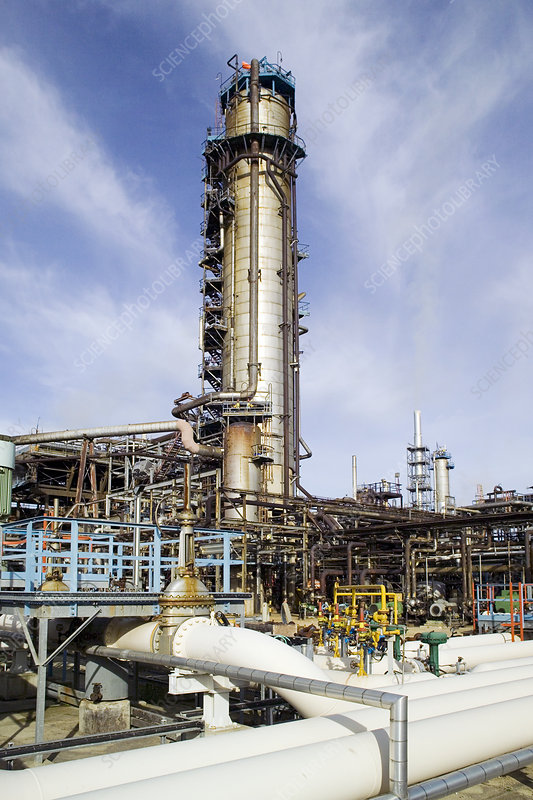
Heydar Aliyev Oil Refinery (HAOR) is Azerbaijan's principal oil refinery, located in Baku and operated by SOCAR. The refinery processes crude oil into high-quality petroleum products including gasoline, diesel fuel, aviation fuel, LPG, bitumen, lubricants, and petrochemical feedstocks. Through continuous modernization, the refinery supports energy security, industrial development, and sustainable operations while meeting international fuel quality standards.
The Heydar Aliyev Oil Refinery (HAOR) supplies domestic fuel demand, supports petrochemical industries, and strengthens regional energy cooperation through reliable and efficient refining operations.
Heydar Aliyev Oil Refinery was established in 1953 and is now the largest and the most innovative challenger in the fuel production sector of Azerbaijan. In 2004 the refinery was named after National Leader of the Azerbaijani people Heydar Aliyev to mark its 50th anniversary. Heydar Aliyev Oil Refinery, which produces petrol, aviation kerosene, diesel fuel, petroleum coke and fuel oil, meets a lion’s share of the domestic demand, while exporting 45% of its products abroad.
To increase the production capacity of the refinery, optimise current costs, bring the quality of oil products to EURO-5 standard, and to meet the needs of Azerkimya PU in primary products, the refinery is currently undergoing reconstruction and modernization operations; this project is motivated by a high demand in local and international markets and will increase the annual primary processing capacity of the Heydar Aliyev Oil Refinery from 6MM tons to 7.5MM tons, while increasing the production capacity of the catalytic cracking unit from 2MM tons to 2.5MM tons per year.
The completion of the first phase allowed the refinery to supply Azerikimya’s Steam Cracking Plant with raw materials, thanks to which SOCAR’s polymer plants can now produce ethylene and propylene with more efficiency. In addition, a new liquefied gas (LPG) filling station consisting of 7 tankers and 5 tanks has been fully commissioned. Thanks to these tanks, yearly volumes of 180K tons of propane-propylene and 100K tons of liquefied gas can be transported using rail tank cars, while 178K tons of butane-butylene fractions can be exported via pipelines or rail tank cars per year.
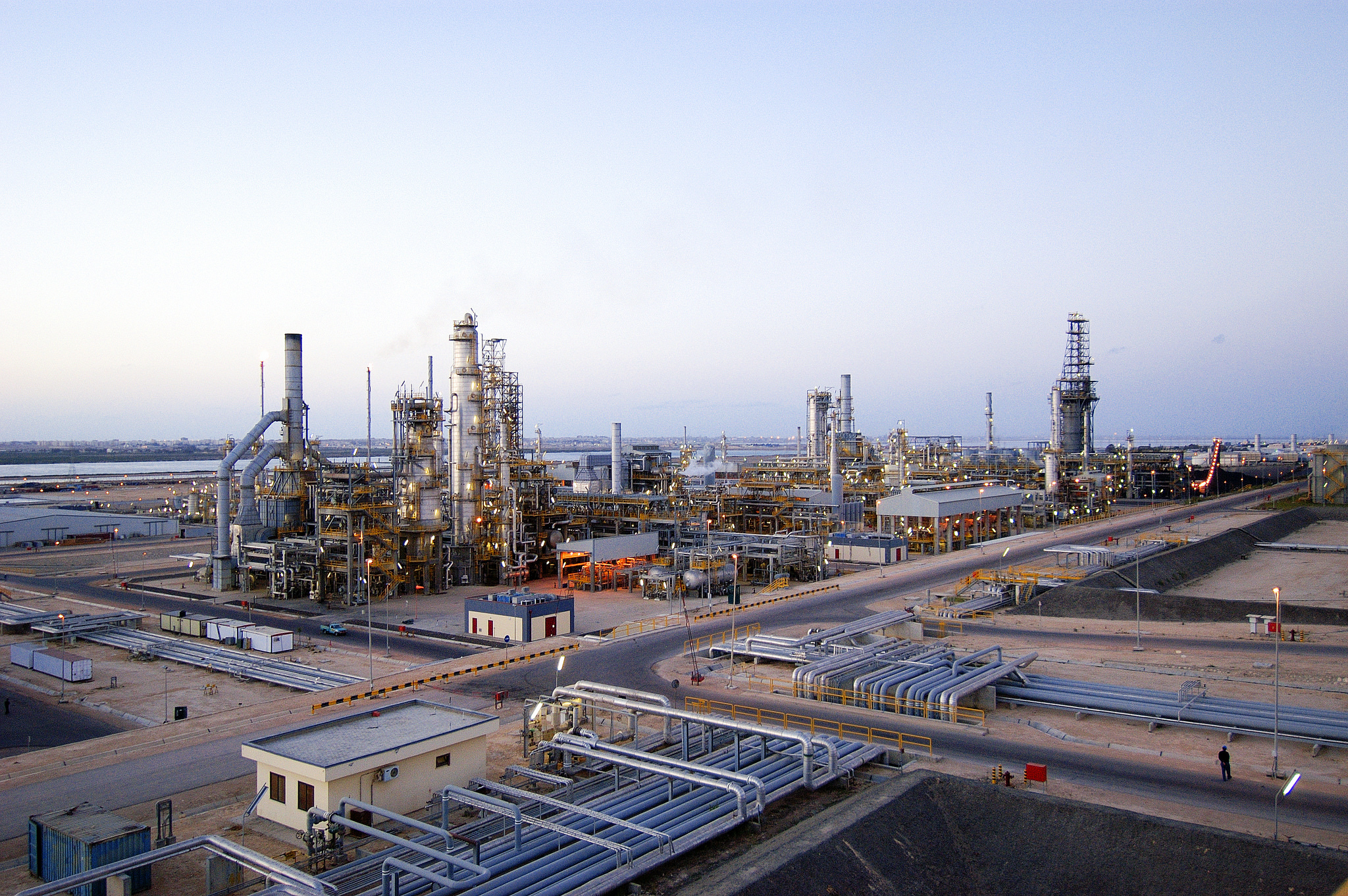
After the current stage of modernization is over, 22 main technological facilities will operate at the refinery. More than half (70%) of all the refinery facilities and current infrastructure will be completely modernised. In addition, the negative impact on the environment will be reduced as a result of the construction of a sewage treatment plant and a new flare system. The construction and commissioning of a new laboratory, power substations, pipelines, cable lines and a fleet of tanks will be carried out within the current phase.